
 Varad
What Is Data Migration?
Data migration is the process of transferring data from one computer storage type or file format to another. It is a key component of any system implementation, upgrade, or consolidation.
The overall objective of data migration goes beyond simply moving it; the real objective is to maintain data quality during the move, ensure the data is fit for use, and ensure it can support underlying business processes and operational goals.
SAP Data Migration Process – Simplified Version
These days, SAP is one of the generally utilized ERP programming across the enormous or medium size undertakings due to its fantastic incorporated business cycles and well disposed client experience. You can get to your business information and cycles effectively at one spot.
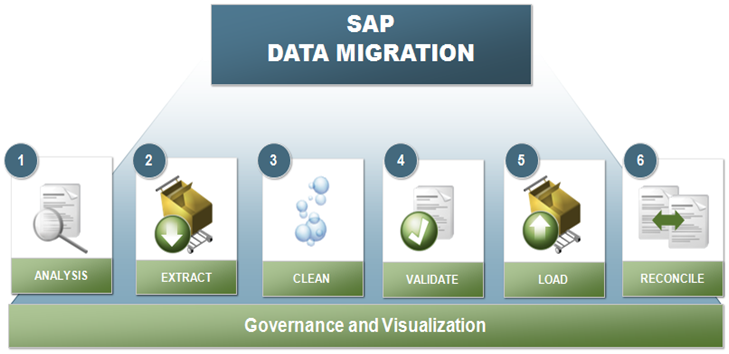
Information Relocation is significant stage in any SAP execution project. Endeavors plan their relocation of information from different NON SAP/Heritage or SAP sources. Consequently it is critical to comprehend the information movement process start to finish.
The data migration process runs as shown here:

Conclusion of SAP Data Migration
A. Recap of Key Points
Efficient SAP Data Migration is not a one-size-fits-all process. It demands meticulous planning, stakeholder involvement, and adherence to best practices to ensure a seamless transition.
B. Importance of ongoing Data Management
Data migration is not a standalone event; it’s part of a broader data management strategy. Ongoing management ensures that the data remains accurate, relevant, and aligned with business objectives.
Frequently Asked Questions (FAQs)
- Is SAP Data Migration a one-time process?
- No, it’s an ongoing process as businesses evolve, requiring continuous data updates and migrations.
- What role do stakeholders play in data migration?
- Stakeholders provide crucial insights into data requirements and ensure the migrated data meets the diverse needs of the organization.
- How can businesses minimize downtime during data migration?
- Planning, choosing the right migration strategy, and conducting thorough testing are key to minimizing downtime.
- **Are there risks associated with data migration