
 Varad
Varad
In today’s hyperconnected business environment, integration is no longer a luxury—it’s a necessity. Enterprises depend on a diverse landscape of applications to run operations, from customer relationship management and finance systems to supply chain networks and HR solutions. While each system plays a critical role, their true power emerges when they work together as one cohesive unit. This is where SAP Integration Best Practices come into focus, helping organizations bridge data, processes, and people across systems to achieve real-time intelligence and agility.
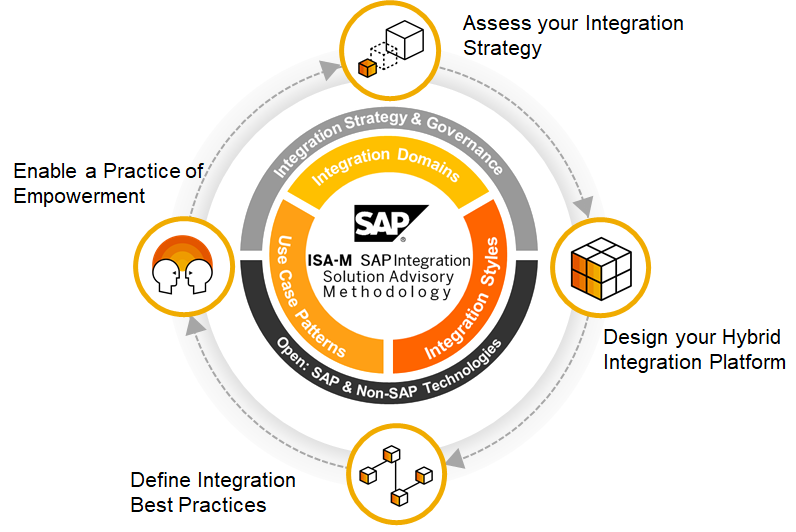
SAP, being the digital backbone of many global enterprises, often sits at the center of this integration challenge. From ERP and CRM platforms to third-party tools like Salesforce, Microsoft Dynamics, and Oracle applications, integrating SAP with external systems can be both an opportunity and a complexity. The goal is simple—create a unified ecosystem where information flows seamlessly across applications, enabling better decision-making, reducing manual work, and enhancing customer experience. However, achieving this harmony is anything but straightforward.
The first major challenge businesses face in connecting SAP with other enterprise systems lies in data silos. Many organizations have accumulated data over decades across different departments and legacy systems. These silos prevent data visibility, create inconsistencies, and slow down business responses. For instance, when customer data in SAP S/4HANA doesn’t sync correctly with data in Salesforce CRM, sales teams might act on outdated or incomplete information, leading to inefficiencies and poor customer interactions.
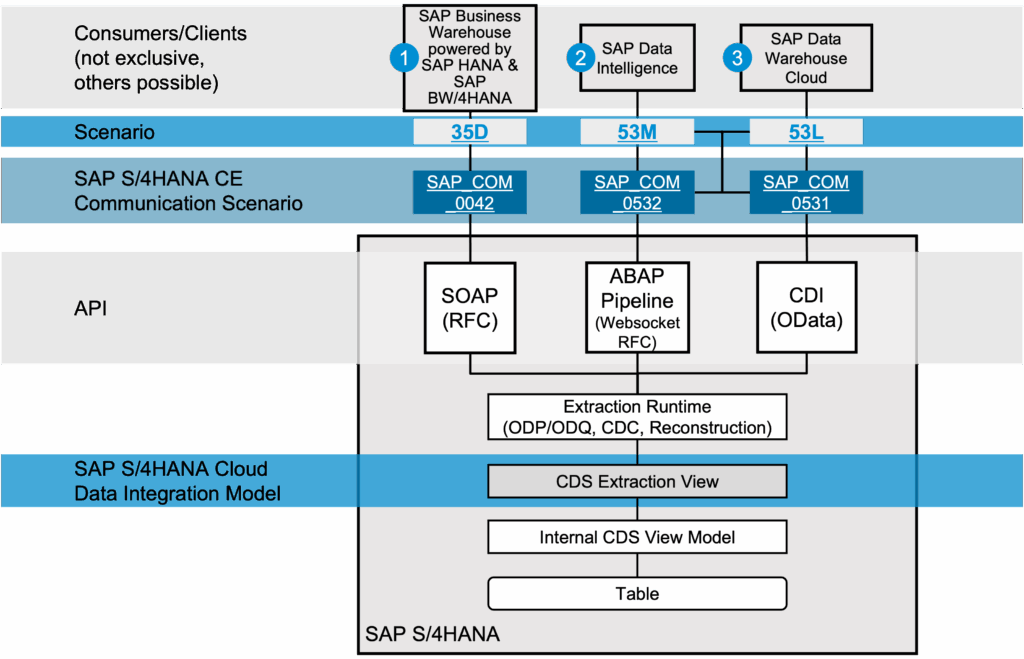
Another common challenge is the complexity of system landscapes. Modern enterprises operate in hybrid environments that combine on-premise systems with multiple cloud solutions. Each platform may have unique data formats, communication protocols, and security standards, making integration a technically intricate process. Additionally, frequent system updates, API version changes, and new compliance requirements can introduce disruptions if integrations aren’t designed with flexibility in mind.
Scalability and performance also present hurdles. As businesses grow, transaction volumes increase exponentially. Integrations must handle large data transfers without latency or data loss. Poorly optimized integration architectures can strain system resources, impact performance, and even cause downtime—issues that can directly affect revenue and customer trust.
Security remains another critical consideration. When connecting SAP systems with external platforms, data travels across different networks, increasing the risk of breaches and unauthorized access. Ensuring data integrity and compliance with standards such as GDPR and ISO 27001 is non-negotiable. Integration must include robust encryption, authentication, and monitoring mechanisms to safeguard sensitive business information.
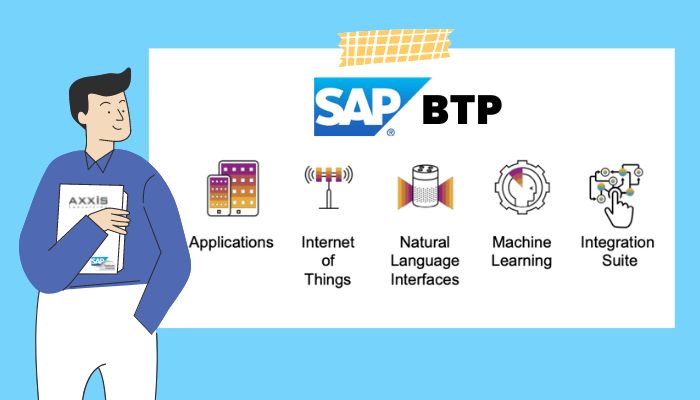
Despite these challenges, SAP has evolved to make integration more efficient, reliable, and scalable than ever before. With the introduction of SAP Business Technology Platform (SAP BTP) and tools like SAP Integration Suite, enterprises now have access to prebuilt connectors, APIs, and integration templates that simplify and accelerate connectivity across heterogeneous environments. These cloud-based tools eliminate the need for heavy custom coding and provide centralized governance, making it easier to manage complex integrations.
Let’s explore some of the best practices in SAP integration that help enterprises overcome challenges and achieve seamless connectivity.
The first best practice is to adopt a clear integration strategy aligned with business goals. Integration isn’t just an IT task—it’s a strategic initiative that impacts the entire organization. Companies should start by mapping their business processes and identifying key data touchpoints between systems. For example, integrating SAP S/4HANA with a CRM like Salesforce requires identifying which data elements—such as customer records, orders, and invoices—need to flow between systems and in which direction. This clarity prevents duplication and ensures consistent data synchronization.
The second best practice involves using standardized APIs and integration frameworks wherever possible. SAP offers robust API Management tools through SAP BTP that enable developers to securely expose and consume data services. Prebuilt connectors, such as those available in the SAP Integration Suite, make it easier to link SAP applications with cloud services like AWS, Azure, and Google Cloud, as well as non-SAP applications. Adopting these standardized tools reduces complexity, shortens development cycles, and ensures long-term maintainability.
Another crucial practice is minimizing custom code in integration scenarios. While custom coding may seem like a quick fix, it often leads to technical debt, maintenance challenges, and upgrade issues down the line. Instead, leveraging middleware platforms such as SAP Process Orchestration (PO), SAP Cloud Integration (SCI), or SAP Integration Suite allows developers to implement integrations with graphical tools and predefined adapters, reducing manual intervention.
A fourth best practice is to embrace event-driven architectures and real-time integrations. In the past, data synchronization often happened through batch jobs, which introduced delays. Modern businesses, however, demand instant updates. SAP Event Mesh, part of the SAP BTP, enables asynchronous event-based communication between systems, ensuring that data is transmitted in real time. For example, when an order is created in SAP, the information can automatically trigger updates in connected e-commerce or logistics systems without manual effort.
Testing and monitoring form another pillar of effective integration. Enterprises should establish continuous monitoring and alerting systems to ensure that data flows are uninterrupted and accurate. SAP Cloud ALM (Application Lifecycle Management) and integration monitoring tools within SAP BTP help identify errors early and provide visibility into system performance. Regular audits of integration flows and logs ensure compliance and allow teams to resolve issues proactively before they affect business operations.
Security, as always, deserves special emphasis. Implementing end-to-end encryption, role-based access control, and secure APIs ensures that sensitive data remains protected during transit and storage. Using SAP Identity Authentication Service (IAS) and SAP Identity Provisioning Service (IPS) helps enforce centralized user management and secure system communication. Security should not be an afterthought—it must be embedded in the integration design from the start.
Beyond technical aspects, successful SAP integration also depends on collaboration between IT and business teams. Often, integration projects fail not because of technology, but because of misaligned objectives or poor communication between departments. A joint governance model that includes stakeholders from finance, sales, logistics, and IT ensures that integration efforts support business outcomes, not just technical milestones.
The landscape of SAP integration continues to evolve with the rise of cloud-native architectures, microservices, and AI-driven automation. Modern enterprises are increasingly adopting API-first strategies and integration-as-a-service models to gain agility and scalability. By leveraging machine learning, companies can now automate error detection and optimize data flows dynamically. For instance, AI-based integration tools can predict potential system bottlenecks or automatically reroute data during failures, minimizing disruptions.
Industry trends show that more organizations are moving toward hybrid and multi-cloud integration models. As enterprises deploy SAP S/4HANA Cloud alongside other SaaS solutions like Workday, Salesforce, or ServiceNow, the need for flexible, secure, and scalable integration becomes critical. SAP’s integration strategy now focuses on delivering a unified integration layer through SAP BTP, enabling smooth interoperability across clouds and on-premise systems alike.
For example, a manufacturing company using SAP ERP for supply chain management might integrate it with IoT platforms to capture real-time sensor data from factory equipment. This data can then feed into predictive maintenance applications powered by AI. Similarly, financial institutions connect SAP with analytics tools to provide real-time dashboards for regulatory reporting and risk management. Each integration scenario underscores the transformative power of connected data in driving smarter business decisions.
In the end, successful SAP integration isn’t about connecting systems—it’s about connecting experiences. When executed well, integration eliminates friction, enhances collaboration, and creates a single source of truth that empowers every stakeholder, from executives to end users. It turns technology into a strategic enabler of growth and innovation.
Call to Action: As you explore the world of enterprise integration, understanding SAP integration best practices is your first step toward building a connected, intelligent enterprise. Dive deeper into our expert guides, online workshops, and certification programs on SAP Integration Suite and SAP Business Technology Platform. Learn how to design resilient, secure, and scalable integrations that empower your business to operate seamlessly across systems and platforms.
YOU MAY BE INTERESTED IN