
 Varad
Varad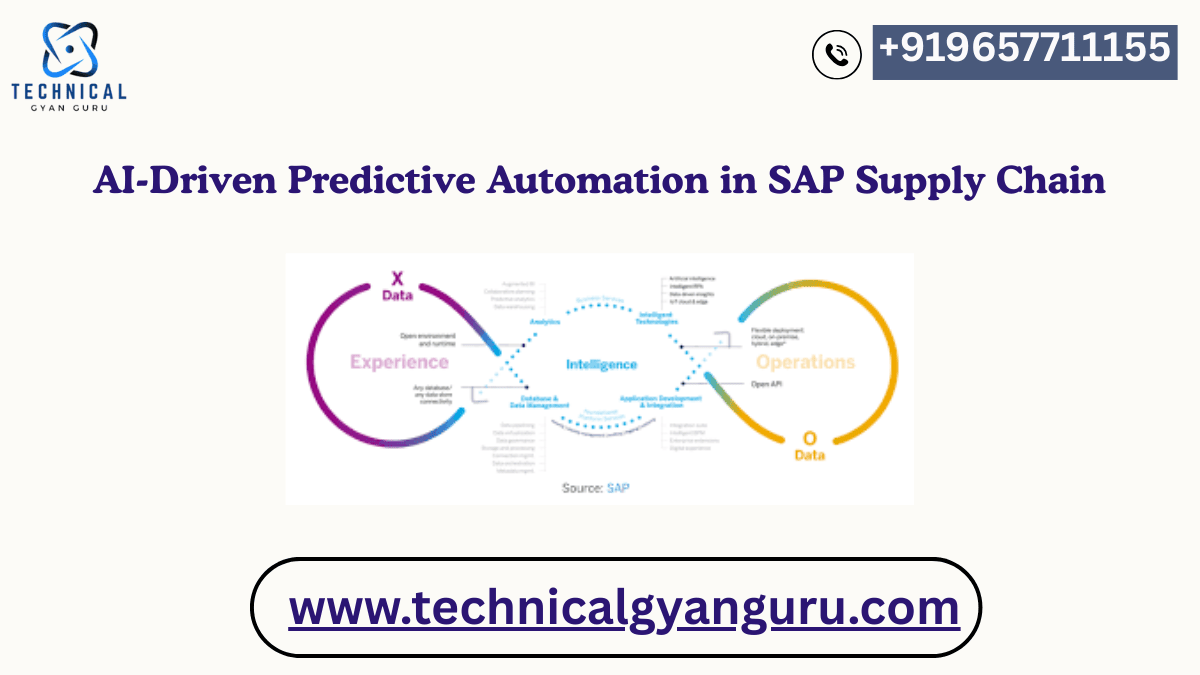
Modern supply chains are more complex than ever, with fluctuating market demands, global uncertainties, and rising customer expectations. To stay competitive, companies need more than traditional SAP automation—they need systems that can predict, adapt, and respond automatically. This is where AI-driven predictive automation in SAP Supply Chain becomes a game-changer.
Predictive automation integrates SAP data with AI and machine learning to forecast outcomes, detect patterns, and trigger automated actions before an issue occurs. Whether your organization is just beginning its SAP journey or already running advanced digital operations, predictive automation offers a smarter, faster, and more resilient supply chain.
Understanding AI-Driven Predictive Automation
AI-driven predictive automation involves using machine learning models, advanced analytics, and automation frameworks to:
- Analyze real-time SAP data
- Predict supply chain events
- Prevent disruptions
- Automatically execute corrective actions
In simple terms, it helps your SAP system move from reactive to proactive, and eventually to self-driving operations.
For beginners, imagine SAP not just reporting data—but using data to think, forecast, and act.
Why Predictive Automation Matters in the SAP Supply Chain
The modern supply chain faces challenges like:
- Sudden demand spikes
- Delayed shipments
- Inventory shortages
- Supplier failures
- Transportation disruptions
Traditional SAP processes rely on human decision-making. AI changes this by detecting risk early and recommending or triggering the best action.
Key Benefits
- Accurate Demand Forecasting
AI identifies patterns in sales history, market trends, and seasonal factors. - Lower Inventory Costs
It alerts teams when stock is at risk of understocking or overstocking. - Faster Decision-Making
Automated workflows reduce dependency on manual approvals. - Improved Supplier Reliability
Predictive scoring highlights risky suppliers before disruptions occur. - Real-Time Visibility
AI-powered dashboards track operations and predict bottlenecks.
Core Components of Predictive Automation in SAP
To truly understand the power of AI-driven predictive automation, let’s break down the core components:
1. Data Integration with SAP
Predictive models require high-quality data from:
- SAP S/4HANA
- SAP BW/4HANA
- SAP IBP (Integrated Business Planning)
- SAP EWM (Extended Warehouse Management)
These systems provide clean, structured data—ideal for machine learning.
2. Machine Learning and AI Models
The models typically perform tasks such as:
- Time-series forecasting
- Anomaly detection
- Pattern recognition
- Predictive maintenance modeling
SAP offers built-in AI tools like SAP AI Business Services, but many companies also integrate external ML platforms such as TensorFlow or Azure ML.
3. Predictive Workflows
Once predictions are generated, SAP automation tools like:
- SAP Workflow Manager
- SAP Build Process Automation
- SAP Intelligent RPA
help automate the next steps.
Example:
If AI predicts a material shortage within 7 days, SAP Intelligent RPA can automatically:
- Create purchase requisitions
- Notify suppliers
- Update safety stock levels
4. Intelligent Dashboards & Monitoring
Real-time insights help leaders react instantly.
Tools like SAP Fiori apps and AI-powered dashboards display:
- Predicted risks
- Recommended actions
- Automated process logs
Use Cases of Predictive Automation in SAP Supply Chain
A well-designed predictive automation system transforms every area of the supply chain. Here are the most impactful use cases:
1. Predictive Demand Forecasting
AI uses:
- Sales data
- Customer behavior
- Seasonal factors
- External signals (market data, weather, promotions)
to accurately predict future demand.
Impact:
Reduced stockouts, better production planning, and lower operational costs.
2. Predictive Inventory Replenishment
SAP systems combined with AI can:
- Predict slow-moving items
- Highlight fast-moving stock
- Automatically trigger replenishment workflows
This prevents unnecessary inventory buildup and shortfall.
3. Predictive Supplier Risk Management
AI looks for hidden patterns like:
- Delayed deliveries
- Quality issues
- Financial health
- Historical performance
SAP can then assign a dynamic “supplier risk score” and route procurement decisions accordingly.
4. Predictive Logistics and Transportation
AI models forecast:
- Delivery delays
- Route risks
- Optimal transportation mode
- Capacity constraints
SAP TM (Transportation Management) integrates with AI to automate rerouting and scheduling.
5. Predictive Maintenance for SAP Plant Operations
Machine learning detects early signs of equipment failure.
SAP PM (Plant Maintenance) can automatically:
- Raise maintenance orders
- Notify technicians
- Adjust the production schedule
Industry Trends Enhancing Predictive Automation
Predictive automation is evolving fast. Current trends include:
1. AI Agents in SAP
AI assistants that can reason, plan, and execute tasks across SAP modules.
2. Digital Twins
Virtual simulations of the supply chain that test predictive decisions before applying them.
3. Autonomous Supply Chain
Automation and AI that operate with minimal human intervention.
4. Real-Time IoT + SAP Integration
IoT sensors feed SAP data to predict machine failures and supply risks.
These trends are helping enterprises build more robust and intelligent supply chain ecosystems.
How Beginners Can Start Implementing Predictive Automation
Even if you’re new to SAP automation, you can get started with a clear roadmap.
Step 1: Identify Predictable Processes
Start with areas where data is available such as sales forecasting, inventory levels, or supplier management.
Step 2: Gather High-Quality SAP Data
Predictive models are only as good as the data.
Step 3: Choose the Right AI Tools
SAP AI Business Services or external AI tools can be used depending on budget and capability.
Step 4: Build Predictive Models
Work with data scientists or use SAP’s low-code ML tools.
Step 5: Automate SAP Actions
Use SAP Build Process Automation or SAP IRPA to trigger tasks automatically.
Step 6: Monitor, Improve, Scale
Use dashboards to track performance and refine predictions over time.
Conclusion: The Future of SAP Supply Chain is Predictive and Autonomous
As companies move toward digital-first operations, AI-driven predictive automation in SAP supply chain is no longer optional—it’s essential. It reduces costs, improves reliability, and enables organizations to stay ahead of disruptions. Whether you’re a beginner or an enterprise professional, adopting predictive automation sets the foundation for a smarter, faster, and more competitive supply chain.
Your next step?
Explore SAP automation courses, AI learning guides, and step-by-step tutorials to begin building your future-ready supply chain.
Building Cloud-Native ABAP Applications: A Guide to Modern SAP Development
How to Create RAP business events in SAP BTP ABAP Environment ?