
 Varad
Varad
In today’s hyper-connected digital economy, customer experience has emerged as the ultimate differentiator. Products and services alone no longer define brand success — how a business engages, understands, and anticipates customer needs has become the true measure of value. As expectations rise and customer journeys grow more complex, companies need smarter tools to manage these interactions. That’s where Customer Experience in SAP C/4HANA comes into play — a next-generation suite designed to redefine how enterprises connect with their customers.
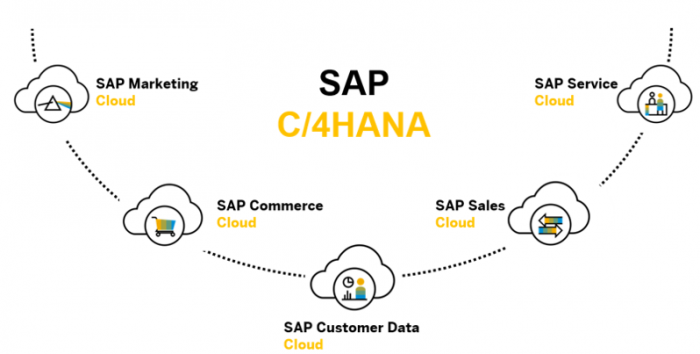
SAP’s C/4HANA suite, also known as SAP Customer Experience, was built on the belief that customer relationships should be personal, connected, and trusted. It represents SAP’s strategic shift from traditional transactional systems to experience-driven solutions. At its core, C/4HANA unites marketing, sales, commerce, service, and customer data management into a cohesive ecosystem, allowing businesses to deliver consistent and meaningful experiences at every touchpoint. Combined with Customer Data Platforms (CDPs), this technology transforms raw data into powerful insights that fuel personalization, loyalty, and long-term engagement.
To understand the impact of SAP C/4HANA, let’s first look at the evolution of customer engagement. For years, businesses relied on Customer Relationship Management (CRM) systems to track leads, manage sales pipelines, and record customer details. While useful, these systems focused primarily on transactions rather than experiences. They told companies what customers did but not why they did it. Modern consumers, however, expect brands to anticipate their needs, tailor offers, and communicate in real-time across multiple channels. Meeting these expectations requires not just collecting data, but intelligently connecting it — a challenge traditional CRMs weren’t built to handle.
SAP C/4HANA bridges this gap. It integrates data from every stage of the customer lifecycle — from first marketing touch to after-sales service — and enriches it with insights powered by AI and machine learning. This unified view enables companies to move beyond one-size-fits-all approaches and deliver experiences that feel personal, relevant, and human. For example, a retailer using SAP C/4HANA can analyze browsing behavior, purchase history, and social engagement in real-time to recommend products that truly match a customer’s preferences.
A key component of this transformation is the Customer Data Platform (CDP) — the brain behind modern customer experience management. In simple terms, a CDP acts as a central hub where data from multiple sources (e-commerce sites, CRM systems, marketing tools, social media, etc.) is collected, cleansed, and unified into a single customer profile. SAP’s Customer Data Cloud, part of the C/4HANA suite, empowers businesses to respect privacy, build trust, and use data responsibly while still personalizing interactions. This balance between personalization and data protection is critical in an age governed by regulations like GDPR and CCPA.
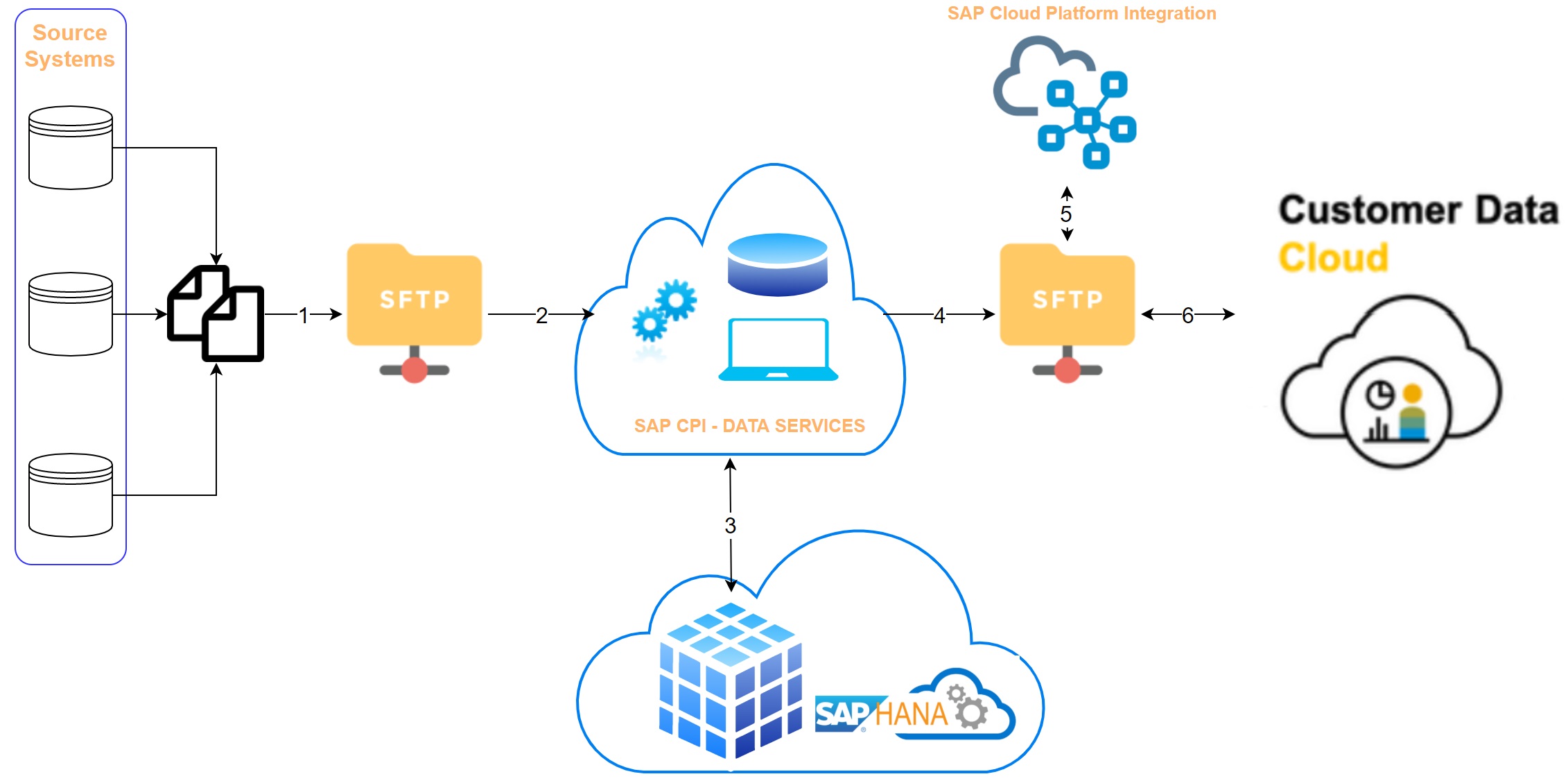
Imagine this in action: A customer browses your website for sneakers, adds one to the cart, but doesn’t complete the purchase. Without integrated data, that interaction might be lost. With SAP C/4HANA and a CDP in place, the system recognizes the customer’s identity across channels, triggers a personalized email reminder, and offers a loyalty discount the next time they log in. The result is not just a completed sale, but a stronger emotional connection — the customer feels seen and valued.
But the power of Customer Experience in SAP C/4HANA extends beyond marketing automation. Each of its five core solutions contributes to a holistic experience strategy. SAP Marketing Cloud focuses on understanding and anticipating customer intent. SAP Sales Cloud streamlines the sales process with insights that help teams close deals faster. SAP Commerce Cloud ensures seamless, personalized buying experiences across digital and physical channels. SAP Service Cloud strengthens post-sale relationships through intelligent support and case management. And SAP Customer Data Cloud ensures that all this interaction data is secure, transparent, and compliant. Together, they form a unified experience engine that bridges the gap between business operations and customer emotions.
Another advantage lies in how SAP C/4HANA connects seamlessly with SAP S/4HANA, the digital core of enterprise operations. This integration ensures that customer-facing processes are directly linked to backend operations such as inventory, finance, and logistics. For instance, when a customer places an order online, the system immediately checks product availability, initiates fulfillment, and updates the customer in real time — all without manual intervention. This creates a frictionless experience that strengthens trust and efficiency.
As businesses transition to experience-led growth, data becomes their most valuable currency. However, data without context is meaningless. That’s why SAP’s intelligent suite, powered by AI and predictive analytics, adds immense value. By analyzing data patterns, it can forecast customer churn, predict buying behavior, and recommend actions to improve satisfaction. In industries like retail, telecom, and banking, these insights are invaluable. A telecom provider, for example, can use predictive analytics to identify customers likely to switch competitors and proactively offer tailored retention plans.
The market is already moving in this direction. According to Gartner, 80% of companies are expected to compete primarily on customer experience rather than price or product by 2026. Moreover, Forrester reports that brands using advanced customer data platforms like SAP’s have seen up to a 30% increase in customer loyalty and a 25% boost in cross-sell revenue. These numbers underscore the strategic importance of investing in customer experience technologies that go beyond surface-level engagement.
What makes SAP’s approach unique is its focus on trust and transparency. In a time when consumers are increasingly wary of how their data is used, SAP C/4HANA enables businesses to obtain clear consent, manage preferences, and honor privacy choices. Customers gain control over their data, while businesses gain the confidence to innovate without risking compliance. This ethical approach to personalization helps build stronger, more sustainable relationships.
From a real-world perspective, many global enterprises are already using SAP C/4HANA to reshape their customer engagement models. Leading automotive brands use it to deliver connected in-car experiences, enabling drivers to receive personalized service notifications and offers. Retailers leverage it to synchronize inventory, pricing, and promotions across channels. Healthcare organizations use CDPs to create personalized patient experiences while maintaining strict data privacy. Each of these examples demonstrates the same principle — the closer a company gets to understanding its customers, the stronger its competitive edge becomes.
The rise of omnichannel commerce has further elevated the importance of platforms like C/4HANA. Today’s customers may start their journey on social media, research on mobile, and finalize purchases in-store. SAP’s ecosystem ensures that each of these touchpoints feels consistent, contextual, and connected. This omnichannel orchestration is vital for brands seeking to deliver a seamless and delightful experience across all platforms.
Looking ahead, the future of Customer Experience in SAP C/4HANA lies in deeper AI integration, real-time analytics, and edge computing. As emerging technologies like IoT and augmented reality expand the digital touchpoints between brands and consumers, the ability to process and act on data in milliseconds will define the leaders of tomorrow. SAP’s roadmap continues to evolve, integrating generative AI, intelligent bots, and conversational interfaces to make customer engagement even more natural and intuitive.
For beginners exploring this space, understanding SAP C/4HANA and Customer Data Platforms is more than a technical exercise — it’s a strategic imperative. These tools empower organizations to transform from data collectors into experience creators, using technology to build emotional connections that drive loyalty and growth. Whether you’re in marketing, IT, or business strategy, mastering customer experience technology will be key to thriving in the next digital era.
Call to Action: Ready to elevate your understanding of customer experience in the SAP ecosystem? Explore our advanced guides, hands-on workshops, and online courses on SAP C/4HANA and Customer Data Platforms. Learn how to turn data into meaningful connections, and lead your organization toward a future where every interaction strengthens trust, engagement, and growth.
you may be interested in this blog here:-
Can anybody know about mba in business analytics?