
 Varad
Varad
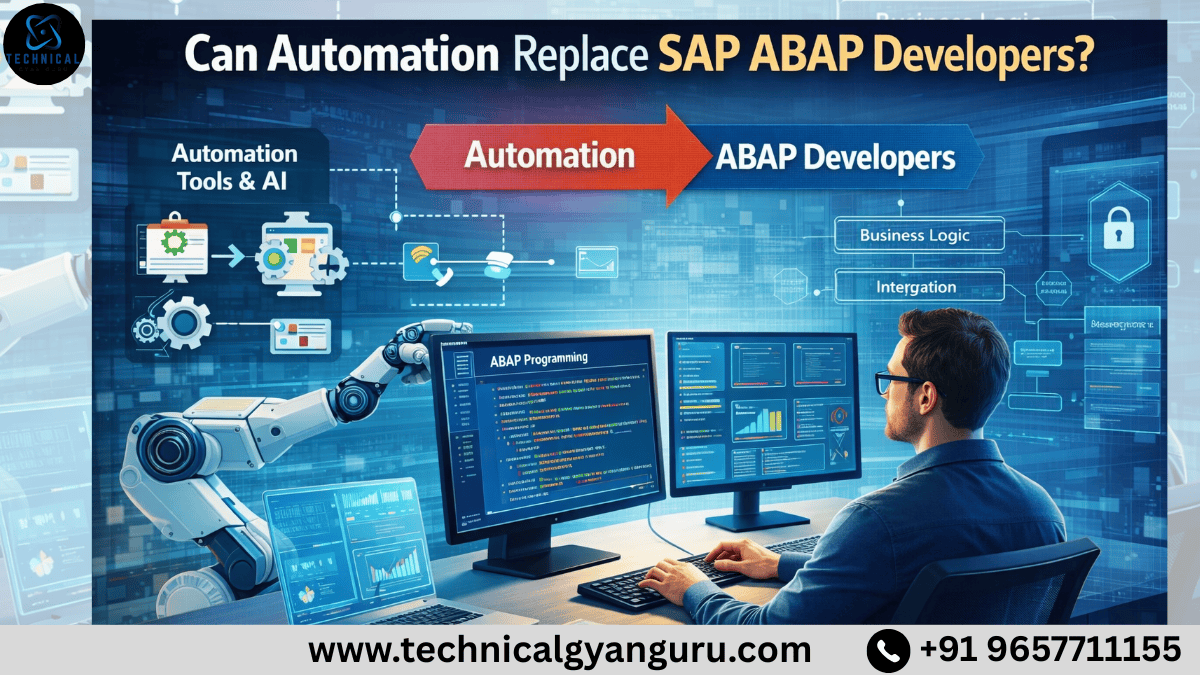
Automation is rapidly reshaping how SAP consultants work, think, and deliver value to businesses. What was once a role centered on configuration, manual testing, and user driven execution is now evolving into a strategic, process focused and technology driven profession. In 2026, SAP consultants are expected not only to understand business processes and system configuration, but also to design intelligent automation, guide digital transformation, and continuously optimize operations. This article explains in depth how automation is changing SAP consultant jobs, what new skills are required, and how both beginners and experienced professionals can prepare for the future.
Why Automation Has Become Central to SAP Projects
SAP landscapes have become more complex than ever. Organizations now operate hybrid environments that combine on premise systems, cloud platforms, third party tools, and industry specific solutions. Business leaders demand faster implementations, frequent enhancements, and stable operations at the same time.
Automation helps organizations achieve these goals by reducing manual effort, eliminating repetitive activities, improving consistency, and accelerating delivery cycles. For SAP consultants, automation is no longer an optional skill. It is a core capability that directly influences project success and career growth.
How the Traditional SAP Consultant Role Looked in the Past
In traditional SAP projects, consultants focused heavily on system configuration, documentation, user training, and manual execution of business processes during testing and support. Large teams performed repetitive tasks such as master data creation, test execution, reconciliation, and reporting manually.
Functional consultants worked mainly in customizing and functional design, while technical consultants handled development separately. The interaction between business and technology was often sequential and slow.
Automation is changing this model by connecting business design and technical execution more closely than ever before.
Automation Is Shifting SAP Consultants from Execution to Design
One of the biggest changes is that consultants are moving away from manual execution and toward intelligent process design.
Consultants now focus on automation driven process architecture
Instead of teaching users how to perform repetitive steps, consultants now design processes where the system performs validations, routing, and decisions automatically. For example, in a purchase to pay process, invoice posting, payment block determination, and approval routing are increasingly automated.
Consultants must understand where automation can safely replace manual work and how to design these rules without disrupting business controls.
This shift elevates the consultant role from operational support to strategic process design.
Functional SAP Consultants Are Becoming Automation Architects
Functional consultants are no longer limited to configuring business scenarios.
New expectations for functional consultants
Functional consultants are now expected to design automated workflows, define decision rules, support test automation strategies, and collaborate closely with integration and development teams.
For example, in a sales process, the consultant designs automated pricing logic, credit checks, delivery blocking rules, and approval workflows. The consultant must also define how exceptions are handled and how business users are informed automatically.
This requires deeper understanding of system capabilities and limitations, not just configuration screens.
Technical SAP Consultants Are Becoming Integration and Automation Specialists
Automation has also transformed the technical consultant role.
Technical consultants focus more on orchestration and reliability
Instead of writing isolated custom programs, technical consultants now build automation frameworks, integration flows, background processing logic, and monitoring solutions.
A typical technical consultant now works on interface automation, API orchestration, automated data validation, and automated error handling.
The focus is no longer only on code delivery but on building resilient and maintainable automation services that support business operations continuously.
Automation Is Reducing Manual Support Work
One of the most visible impacts of automation is the reduction of repetitive support activities.
How support roles are changing
Previously, consultants spent large portions of time correcting master data, restarting failed jobs manually, reconciling documents, and responding to repetitive user questions.
Today, automated validation rules, background monitoring jobs, and intelligent alerts identify and resolve many of these issues before users even notice them.
As a result, SAP consultants spend more time on root cause analysis, process improvement, and preventive design rather than daily firefighting.
Automation Is Transforming SAP Testing and Quality Roles
Testing has become one of the most automated areas in SAP projects.
Consultants now design test automation strategies
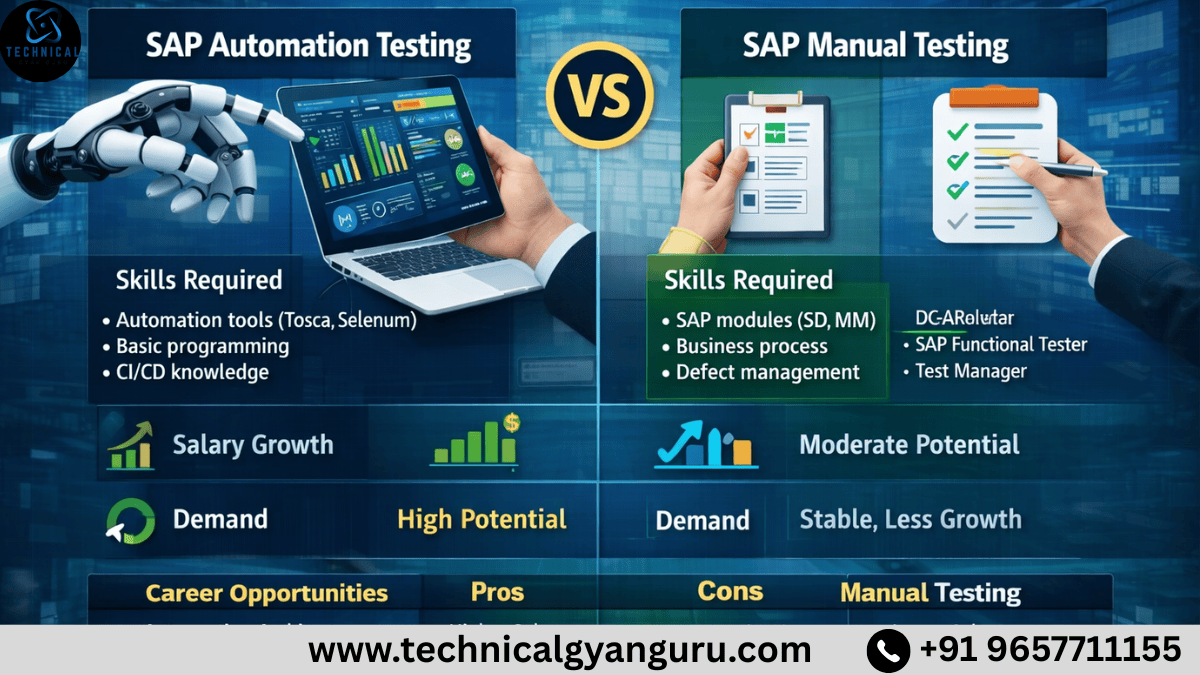
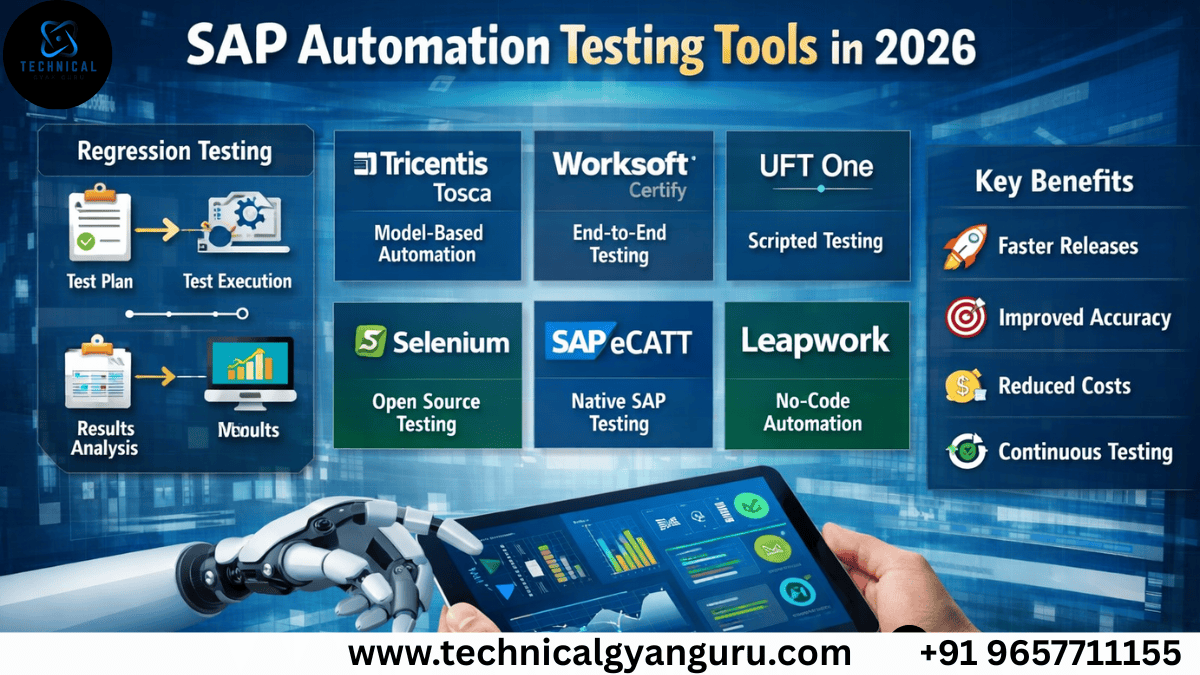
Functional consultants define automated test scenarios based on business processes. Technical and automation consultants implement reusable test components.
Instead of manually executing hundreds of test cases for every release, automated regression tests validate critical flows such as order to cash and procure to pay automatically.
This changes the consultant role from test executor to quality designer. Consultants must understand which business scenarios are high risk and must be protected by automation.
Automation Is Driving Closer Collaboration Between Business and IT
Automation projects require tight collaboration between business teams, functional consultants, and technical specialists.
Consultants act as translators between business and automation platforms
Consultants now translate business requirements into automation rules, workflows, and integration flows.
For example, when finance users describe approval and compliance requirements, the consultant must convert them into automated approval workflows, validation rules, and monitoring dashboards.
This requires strong communication skills and the ability to align technical solutions with business intent.
How Automation Is Changing the Skills Required for SAP Consultants
The skill set of SAP consultants is expanding rapidly.
Core business knowledge is still essential
Deep understanding of business processes remains the foundation of consulting. However, consultants must now also understand automation concepts, data flows, and system interactions.
Technology awareness has become mandatory
Consultants must understand workflows, integration patterns, background processing, data validation techniques, and monitoring concepts.
They do not need to become full developers, but they must be able to design automation solutions that developers and automation engineers can implement correctly.
Analytical and problem solving skills are more important than ever
Automation exposes process inefficiencies and data quality issues. Consultants must analyze why automation fails and redesign processes to improve stability and scalability.
Automation Is Creating New SAP Consultant Job Profiles
The traditional titles of functional consultant and technical consultant are gradually evolving.
New roles emerging in SAP programs
Automation consultant
Process automation architect
Workflow and integration specialist
Test automation lead
Digital transformation consultant
These roles focus on automation design, governance, and continuous optimization rather than only project implementation.
How Automation Is Changing Career Growth Paths for SAP Consultants
Automation is opening new career opportunities.
Faster progression to leadership and architecture roles
Consultants who understand automation end to end are often involved in strategic transformation programs. They work closely with enterprise architects and business leaders to design future process landscapes.
This accelerates career progression toward solution architect, program lead, and transformation manager roles.
Increased global demand for automation skilled consultants
Automation skills are highly transferable across industries and regions. Consultants with automation expertise can work on global rollouts, cloud transformations, and complex integration programs.
How Automation Is Impacting Junior SAP Consultants
Automation has both positive and challenging effects on beginners.
Fewer repetitive learning tasks
Junior consultants previously learned by performing manual data creation, testing, and documentation. Automation now performs many of these activities.
This means juniors must learn through structured training, mentoring, and hands on design activities rather than manual execution.
Faster exposure to complex scenarios
Because automation handles basic tasks, junior consultants are exposed earlier to complex business scenarios, process design discussions, and integration topics.
This accelerates learning but also requires stronger guidance and structured onboarding.
How Automation Is Changing Project Delivery Models
Automation influences not only individual roles but also project structures.
Shorter release cycles and continuous improvement
Automation enables frequent releases by reducing manual testing and deployment risks. Consultants must now work in iterative delivery models and continuously improve processes instead of delivering large one time implementations.
Increased importance of automation governance
Projects now require clear rules for automation design, change management, and monitoring. Consultants participate in defining automation standards and best practices across the organization.
Real Project Example of Automation Changing Consultant Work
Consider a global manufacturing company implementing automated purchase approvals and invoice processing.
Previously, consultants configured approval rules and trained users to manually verify invoices and route approvals. During testing, large teams manually executed test scenarios and documented results.
With automation, consultants redesigned the process to include automated validation of tax codes, automatic approval routing based on thresholds, background reconciliation jobs, and automated monitoring alerts.
Automated test scenarios validated the entire procure to pay flow after every system change.
Consultants spent most of their time analyzing business rules, designing exception handling, and optimizing performance instead of managing manual test execution and support activities.
This example clearly shows how automation shifts consultant work from execution to optimization and innovation.
Challenges SAP Consultants Face While Adopting Automation
Automation does not remove challenges. It introduces new responsibilities.
Resistance to change from business users
Some business users worry about losing control or transparency when processes become automated. Consultants must explain how automation improves reliability and still supports governance.
Designing automation without fully understanding the process
Poorly designed automation can amplify existing process issues. Consultants must ensure that automation supports well designed business flows rather than hiding inefficiencies.
Managing automation complexity
As automation grows, processes become interconnected. Consultants must carefully manage dependencies, error handling, and monitoring to avoid operational risks.
How SAP Consultants Can Prepare for Automation Driven Careers
Preparation starts with mindset change.
Focus on end to end process understanding
Consultants should learn how business processes span multiple systems and departments. Automation design requires holistic understanding rather than module specific expertise.
Learn workflow and integration concepts
Understanding how automated workflows, interfaces, and background processes operate is essential.
Participate in automation initiatives
Consultants should actively volunteer for automation related tasks such as workflow design, test automation planning, and monitoring dashboard creation.
Build communication and facilitation skills
Automation projects involve many stakeholders. Consultants must facilitate workshops, explain automation logic, and manage expectations effectively.
Actionable Tips for SAP Consultants to Succeed in an Automated Future
Identify repetitive tasks in your current project and propose automation ideas.
Document business rules clearly so they can be translated into automated logic.
Learn how automated workflows and background jobs are monitored in your organization.
Collaborate closely with automation engineers and developers.
Continuously review automated processes to identify improvement opportunities.
Invest time in learning test automation concepts and tools.
Understand data quality management and validation techniques.
Develop strong presentation and communication skills to explain automation value to business users.
How Automation Improves the Value SAP Consultants Deliver to Businesses
Automation allows consultants to deliver measurable business benefits.
Faster processing times
Reduced error rates
Improved compliance
Lower operational costs
Better visibility and reporting
Consultants who design automation effectively become trusted advisors because they directly contribute to operational efficiency and business resilience.
The Long Term Impact of Automation on SAP Consulting
In the long term, automation will redefine what it means to be an SAP consultant.
Consultants will be evaluated not only on how well they configure systems but also on how effectively they design automated, scalable, and resilient business processes.
Consulting will increasingly focus on continuous improvement, data driven decision making, and innovation rather than static implementations.
you maybe interested in this blog
SAP fiori configuration for s/4hana
Is SAP Certification necessary?
Crack the Salesforce Admin Certification Syllabus Breakdown and Study Tips