
 Varad
Varad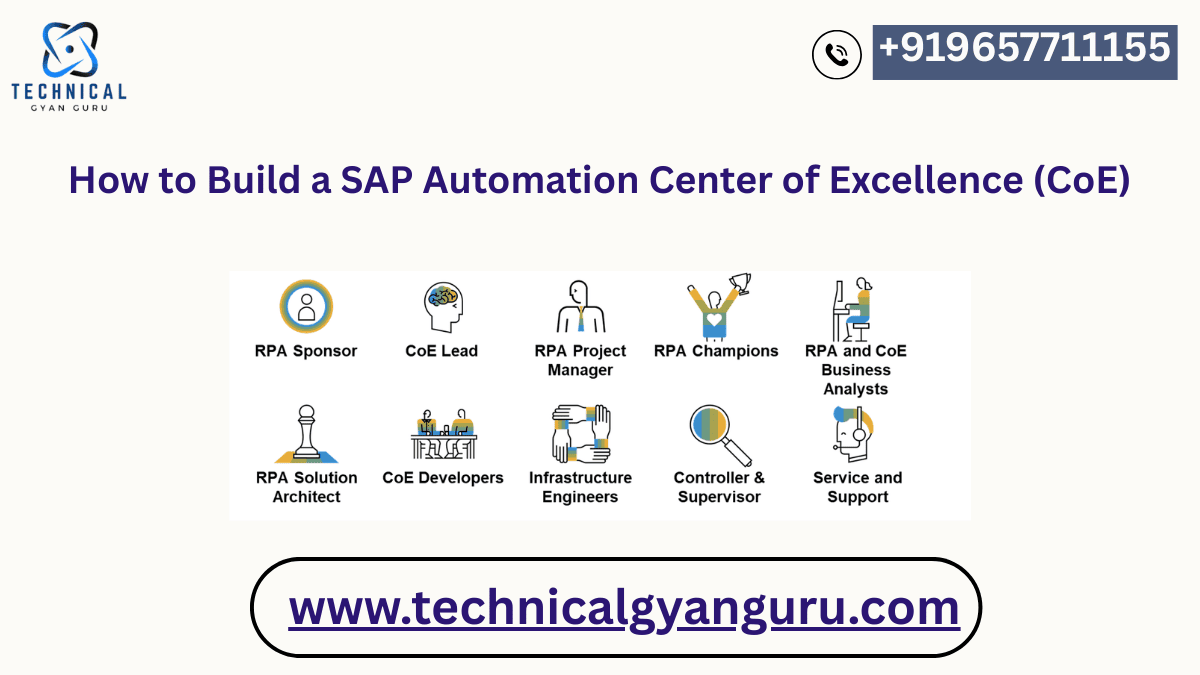
Automation is no longer optional in the modern SAP landscape—it’s becoming a core part of how organizations drive efficiency, reduce manual workload, and improve accuracy across business processes. But while many companies try to implement SAP automation, only a few succeed in scaling it across departments.
What separates successful organizations from the rest is the presence of a well-structured SAP Automation Center of Excellence (CoE). A CoE acts as the heart of strategy, governance, innovation, and delivery for all automation initiatives. For beginners, the idea of building a CoE can sound complex, but with the right framework, it becomes achievable and highly rewarding.
In this beginner-friendly guide, you’ll learn what an SAP Automation CoE is, why organizations need one, how to build it from scratch, and the essential tools, roles, and best practices that support long-term success. Whether you’re learning SAP automation or your company wants to scale digital transformation, this guide gives you a complete roadmap.
Understanding the SAP Automation CoE
A SAP Automation CoE (Center of Excellence) is a centralized team that creates standards, best practices, strategy, training, and governance for automation projects across the organization. Instead of every department running automation differently, a CoE ensures alignment, quality, and measurable results.
An effective CoE focuses on:
- Innovation
- Standardization
- Governance
- Skill development
- Tool selection
- Implementation support
- Long-term maintenance
Think of it as the “control tower” of automation—guiding, monitoring, and improving everything around SAP automation.
Why Organizations Need a SAP Automation CoE
Before we jump into building one, it’s important to understand why organizations invest in a CoE.
1. Ensures Consistency
Processes, scripts, and automation frameworks follow standard guidelines instead of random implementation.
2. Reduces Costs
With centralized governance, companies avoid duplicate efforts, tool misuse, and failed automation projects.
3. Improves Quality
A CoE enforces testing frameworks, coding standards, reusable components, and proper documentation.
4. Builds Internal Skills
Teams receive training, documentation, and templates to learn automation faster and more effectively.
5. Increases Scalability
Automation expands across departments while maintaining stability and compliance.
6. Supports SAP Upgrades
During S/4HANA migrations, a CoE helps accelerate test automation and change management.
A well-built SAP Automation CoE is a long-term investment that offers measurable business impact.
Key Pillars of an SAP Automation CoE
Building an effective CoE requires a combination of people, processes, and technology. These pillars form the foundation:
1. Vision and Strategy
Define why the CoE exists and what business value it will deliver.
2. Governance and Standards
Create rules and operating procedures for automation.
3. Skilled Team Structure
Assign clear roles such as automation architects, developers, testers, and process SMEs.
4. Tools and Technology
Choose the right SAP automation tools—SAP Build Process Automation, UiPath, Worksoft, or Tricentis Tosca.
5. Process Pipeline
Define how automation opportunities are identified, evaluated, and approved.
6. Performance Measurement
Metrics help track ROI, success rate, stability, and automation coverage.
These pillars guide every step of building and maintaining a high-performing CoE.
Step-by-Step Guide: How to Build a SAP Automation CoE
Step 1: Define the CoE Vision and Goals
Start by aligning your CoE with organizational goals.
Ask these questions:
- What do we want automation to achieve?
- Which SAP processes need automation first?
- How will automation support our digital transformation roadmap?
- What business value will it deliver?
Set goals such as:
- 30% reduction in manual SAP tasks
- 50% automation of regression testing cycles
- Faster S/4HANA migration
- 15% cost savings in operations
A clear vision ensures everyone moves in the same direction.
Step 2: Build the Right CoE Team
A strong CoE is built on the strength of its people.
Here are the essential roles:
• CoE Leader / Automation Manager
Oversees strategy, governance, and resource planning.
• SAP Automation Architect
Responsible for designing automation frameworks and standards.
• SAP Functional Consultants
Provide process knowledge and validate automation workflows.
• Automation Developers
Build scripts, integrations, and automation components.
• Test Automation Engineers
Create regression, performance, and functional test scripts.
• Business Analysts
Capture requirements and evaluate automation opportunities.
• Change & Release Specialist
Manages deployments, versioning, and release cycles.
A mix of SAP and automation expertise creates a powerful team.
Step 3: Select the Right SAP Automation Tools
Choosing the right tools determines success.
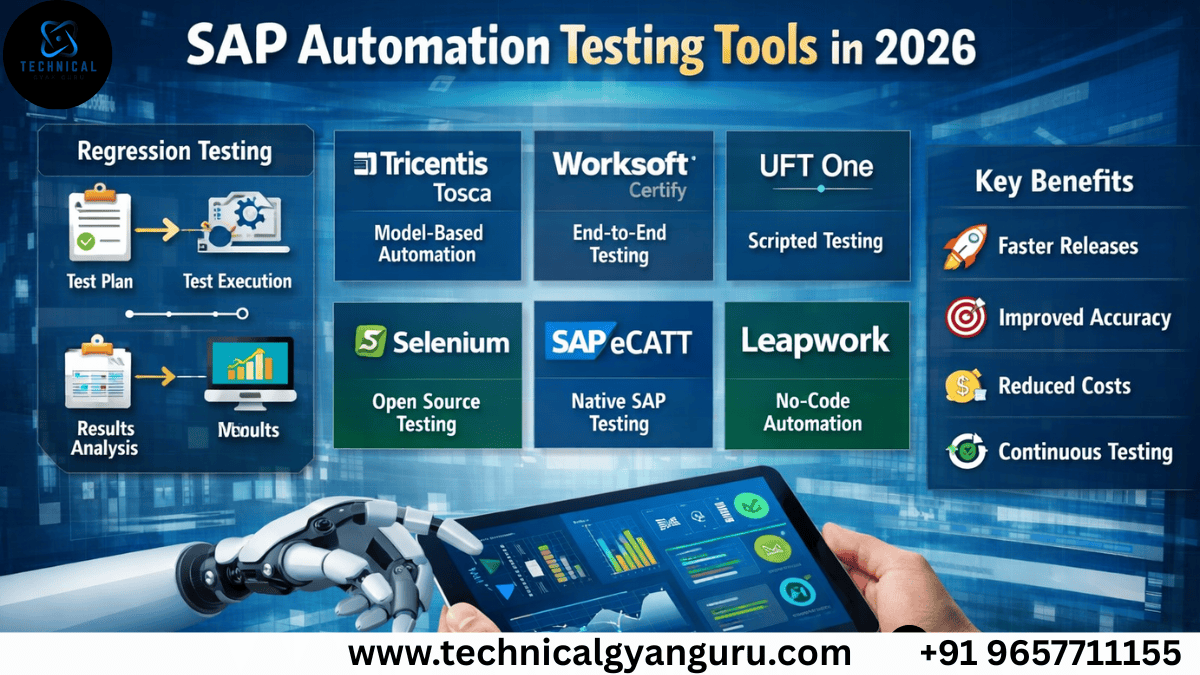
The most-used SAP automation tools include:
- SAP Build Process Automation
- Tricentis Tosca
- SAP CBTA
- UiPath SAP Automation
- Automation Anywhere
- Worksoft Certify
- Selenium for SAP Web Apps
- Postman + REST Clients for SAP API testing
Choose tools based on:
- SAP system type (ECC or S/4HANA)
- Workflow automation needs
- API integration requirements
- Test automation expectations
- Licensing budget
- Scalability
Don’t choose tools only by popularity—choose them based on organizational needs.
Step 4: Build Governance and Standards
Governance prevents chaos and ensures quality.
Create documents for:
• Automation coding standards
• Naming conventions
• Reusable library guidelines
• Test data management
• Version control and repository management
• Deployment workflows
• Documentation templates
Governance avoids inconsistency and improves maintainability.
Step 5: Establish a Process Pipeline
Define how automation opportunities flow through your CoE.
A typical pipeline includes:
- Idea submission
- Feasibility assessment
- ROI analysis
- Prioritization
- Development
- Testing
- Deployment
- Monitoring
- Maintenance
This system helps teams automate the right processes at the right time.
Step 6: Create Reusable Automation Assets
Reusable components reduce development time and bring standardization.
Examples:
- Login modules
- SAP transaction templates
- SAP Fiori reusable flows
- Error handling blocks
- Data validation scripts
- API connectors
- Reporting frameworks
Organizations with reusable assets can scale automation 2–3x faster.
Step 7: Introduce Training and Skill Development
A CoE is only as strong as the skills it nurtures.
Provide training on:
- SAP modules
- Automation tools
- Scripting languages
- SAP APIs
- Testing frameworks
- Agile methods
Encourage certification and internal knowledge-sharing sessions.
Step 8: Track KPIs and Measure ROI
To showcase success, track:
- Number of automated processes
- Cost savings
- Time reduction
- Defects prevented
- Test execution speed
- Post-deployment stability
These metrics help leadership understand the CoE’s value.
Real-World Use Cases for a SAP Automation CoE
Automation CoEs commonly support:
• S/4HANA migration testing
• SAP regression test automation
• Master data automation
• Finance closing automation
• Purchase-to-pay automation
• Sales order automation
• HR onboarding automation
• SAP workflow automation with BTP
These use cases deliver immediate impact in most organizations.
Best Practices for Running a High-Performing CoE
- Start with small, high-impact projects
- Use a hybrid CoE model (central + business-unit collaboration)
- Maintain centralized documentation
- Conduct quarterly audits
- Invest in SAP BTP and cloud-native automation
- Build reusable test cases and data sets
- Promote automation culture within the company
A CoE succeeds not because of tools—but because of continuous improvement.
Conclusion
Building a SAP Automation Center of Excellence is one of the smartest investments an organization can make. It streamlines automation development, improves quality, reduces manual effort, and accelerates transformation across SAP landscapes.
For beginners and company teams, this guide provides the complete roadmap—from setting a vision to governance, tool selection, team structure, and long-term growth.
If you want to deepen your skills, explore our SAP automation tutorials, training programs, and expert guides to take your learning to the next level.
you may be interested in this blog here:-
Can anybody know about mba in business analytics?